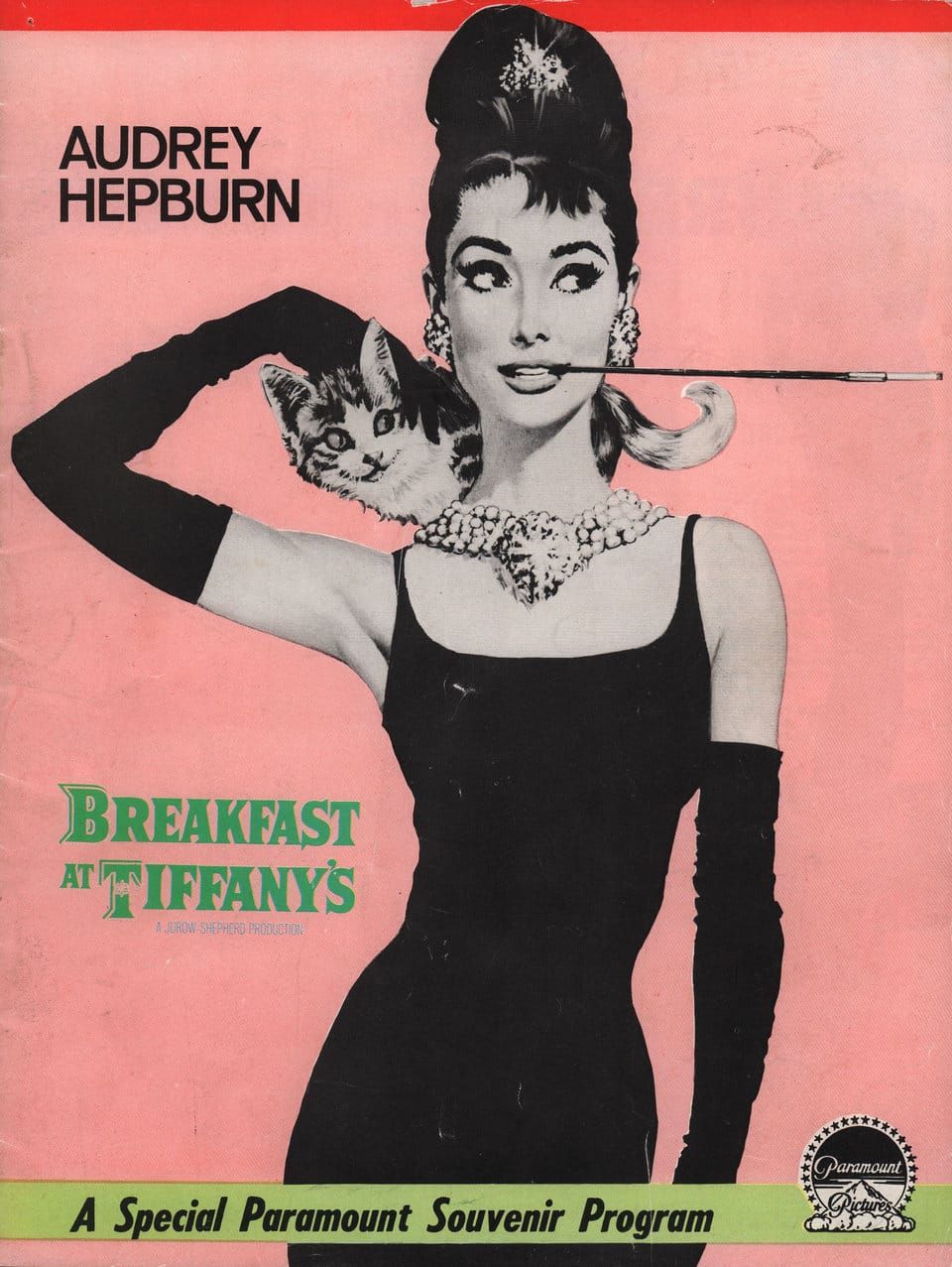
Breakfast at Tiffany's by Truman Capote - Book vs. Film
I managed to read this all in one day whilst on a day trip to NYC, I highly recommend this course of action.
Reading this book is very similar to watching the movie, only lightly more bitchy and melancholy. While there are several important plot changes (mainly to make the protagonist seem straight), it turns out the movie is rather faithful to the major plot points. I do prefer the book to the movie though - it's the version of the story for adults. Still light, breezy, and delightful, but with just a touch more seriousness in the ending, instead of the Hollywood treatment.
The movie got a lot of things wrong - Audrey Hepburn had an odd habit of choosing roles where she was depicted as a rags-to-riches story, a rough orphan who trained herself (or was trained) to act like a princess or socialite. Frankly, as lovely and glamorous as she was, she was almost always miscast because it's just impossible to imagine her as anything other than the irresistibly charming aristocratic ballerina she was born to be (particularly in My Fair Lady, just terrible).While I doubt any of the directors regret their choice, (miscasting with Audrey Hepburn still got you Audrey Hepburn, after all) I think the character of Holly Golightly should have been played by someone with a similar combination of sweetness and glamour, but also the capacity to portray a bit of sleaze. Capote reportedly wanted Marilyn Monroe for the role, and I agree she would have been a better choice. Golightly was a fortune-hunting schemer and one step up from being a call-girl, and Hepburn just never quite pulled that aspect of the character off believably. But given the re-write the film gave to Capote's protagonist, it's much more believable that Hepburn's version got the fairy tale ending that the book version could never have.
It was interesting how the film traded the casually cruel (yet common for the time) racist language throughout the novel to be distilled into the putrid creation of Mickey Rooney's, that utilized yellowface and was just so extremely offensive that it partially ruins the movie due to his desperate attempts to make something so foul one of the main gags. Capote, while certainly crude and imperfect, has far better taste than that, and I pity him a bit that Paramount cheapened his already rather cheap story.
Short, fun, and charming. Better than the film. Yet, not exactly the most memorable or moving novella I've come across, so just three stars for this one. I would recommend it only because it's succinct and likeable, not because it's great.